
A craft visit is most rewarding when it becomes a conversation. Instead of looking only for something to bring home, ask how it was made, what materials were used and how the maker learned the process. Shilpgram offers a starting point for that curiosity and a different perspective from Udaipur’s palace-and-lake itinerary.
What is Shilpgram?
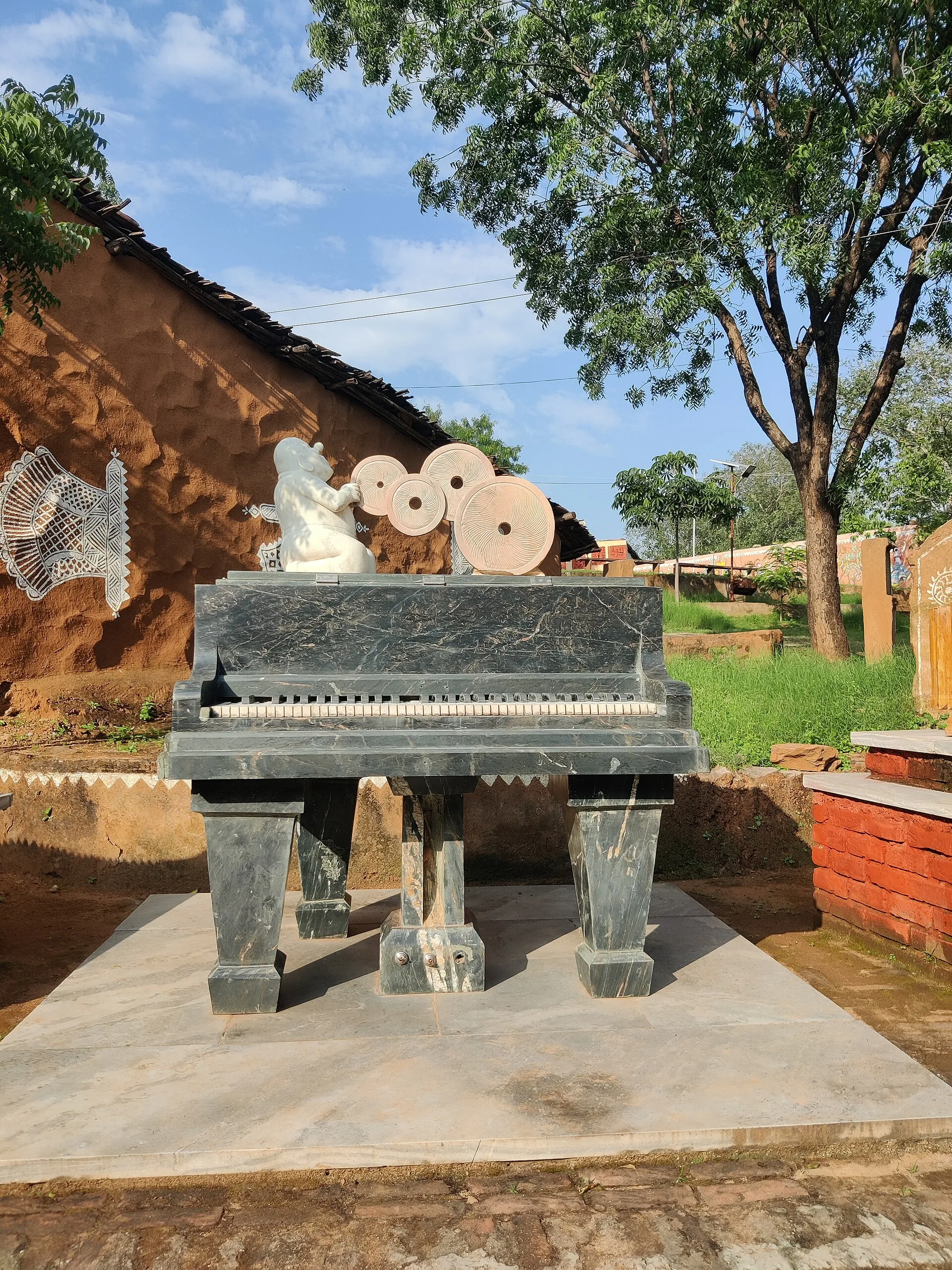
Shilpgram is a rural arts and crafts complex associated with the West Zone Cultural Centre. Incredible India describes regional dwellings and traditions from Rajasthan, Gujarat, Maharashtra and Goa within the complex. The setting places objects alongside the kinds of spaces and cultural practices connected with them.
Arrive with an open plan rather than expecting a conventional museum of glass cases. Give yourself time to move between areas and notice the buildings as well as the objects. The visit can be as much about how things are presented as about a purchase.
Check what is happening on your dates
An ordinary visiting day and a festival programme can feel different. Check the cultural centre’s current announcements for events, performances or exhibitions, and verify the date before arranging your trip around a particular activity.
Do not assume that every craft demonstration or performance pictured online happens daily. If seeing a particular technique is important to you, ask whether it is available on the day you intend to come. That small check helps set realistic expectations.
Ask questions before buying
When a piece interests you, ask about its material, place of production and method. A printed textile, a woven textile and an embroidered textile involve different work; knowing which one you are looking at makes the object more meaningful.
For ceramics, woodwork or other fragile pieces, ask about packing and transport. For fabric, ask how to wash and store it. If a seller describes something as antique or unusually rare, seek appropriate documentation rather than relying on the label alone.
Photograph the work respectfully
Ask before taking close photographs of a maker or their process. A person working at a stall may be concentrating, serving a customer or simply prefer not to be photographed. A conversation first usually makes the visit more considerate.
If you are visiting with children, encourage them to look and ask before touching tools or delicate work. Let the maker decide what can be handled. A small purchase chosen with care can mean more than a bag full of items bought in a hurry.
Give the outing room in your itinerary
Combine Shilpgram with one nearby-area outing if the group wants more, or let it be the main event of a quiet day. Allow time for a meal and a comfortable return to Moonhouse. The attraction map shows its position relative to the villa and the lakes.
Back in the old city, bring the same curiosity to shops and markets. Ask about a piece’s origin rather than assuming everything for sale was made in Udaipur. Thoughtful shopping is not about finding a supposedly perfect souvenir; it is about understanding the object you choose to keep.
Sources & planning notes
Sources checked 24 October 2026. Suggested itineraries are Moonhouse editorial recommendations. Confirm current access, tickets and services with the venue before travelling.